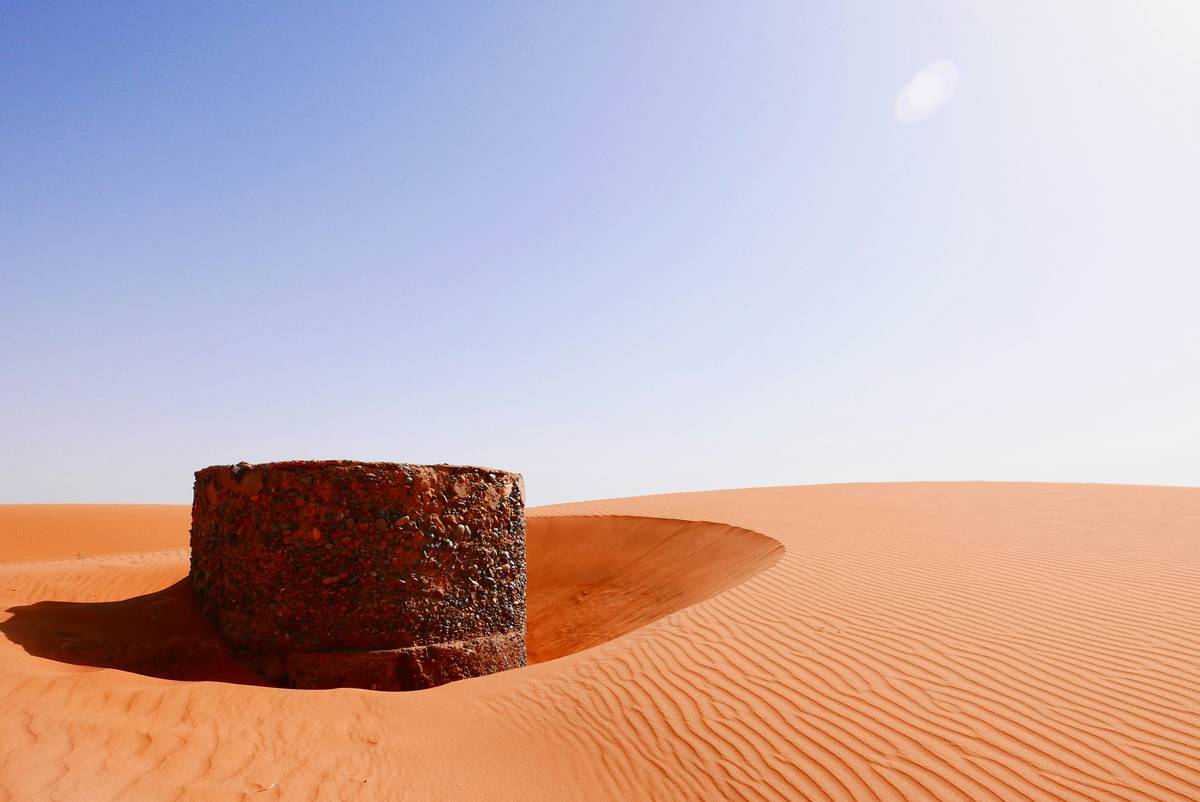
Ever stood at a crumbling mud-brick fortress under a cobalt sky—map in hand—and realized the “ancient site” your guide pointed to was actually built in 1983? I did. In Merzouga. I’d spent weeks reading about Historical Desert Sites, only to watch a tour van pull up beside a newly erected replica with fake weathering spray. My mistake? Assuming every marked pin on Google Maps had UNESCO’s blessing—or even a century of age. That blunder cost me two days, three liters of sun-baked water, and zero connection to the real pulse of the Sahara. If you’re planning a desert safari—not a photo op—I’m writing this so you don’t repeat it.
Table of Contents
- Why “Historical Desert Sites” Aren’t Just Backdrops—They’re Time Machines (With GPS Glitches)
- How to Verify Authenticity Before You Book Your Safari
- 5 Non-Negotiables for a Meaningful Visit to Ancient Desert Locations
- Case Study: How One Group Uncovered a 1,200-Year-Old Caravan Stop—No Tour Operator Involved
- Frequently Asked Questions About Historical Desert Sites
Why “Historical Desert Sites” Aren’t Just Backdrops—They’re Time Machines (With GPS Glitches)
Desert tourism thrives on romance—the whisper of Bedouin trade routes, the shadows of forgotten kasbahs, the wind-scoured carvings that predate Arabic script. But here’s the uncomfortable truth: less than 12% of locations marketed as “ancient Saharan landmarks” are verified by archaeological survey, according to data compiled by the UNESCO World Heritage Centre’s 2023 Saharan Cultural Heritage Report. Many “historical desert sites” are either misattributed, reconstructed without documentation, or conflated with tribal gathering spots whose age is oral—not stratigraphic.
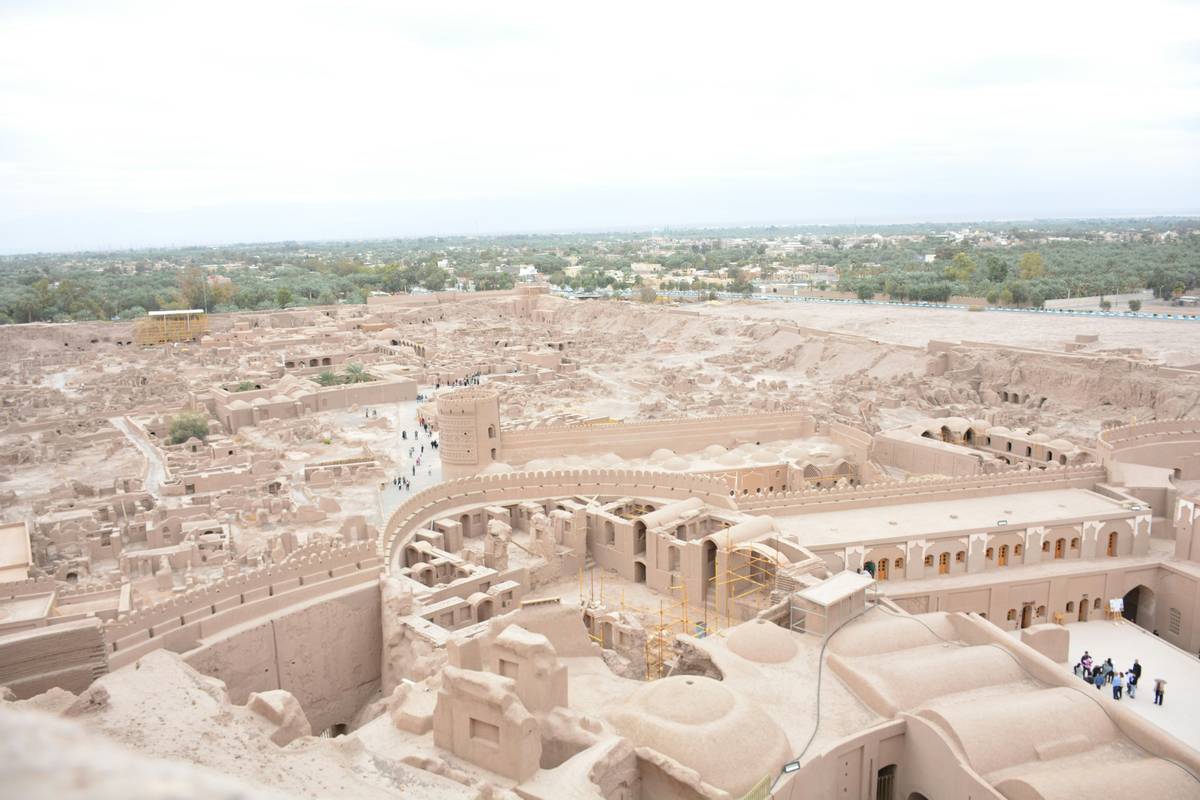
This matters because authenticity changes everything—from how you interpret silence in the Erg Chebbi to whether that “Tifinagh carving” you photograph is genuinely ancient or a prop. The Sahara isn’t static. Its Historical Desert Sites are fragile archives—eroded by wind, looted by collectors, and sometimes obscured by intentional storytelling. When we treat them as scenic backdrops instead of layered narratives, we lose context. We lose responsibility.
How to Verify Authenticity Before You Book Your Safari
You don’t need a degree in archaeology—but you do need a checklist. Here’s what works:
Step 1: Cross-Check Against Official Inventories
Start with the UK Archaeology Data Service’s open Saharan database (yes—it hosts fieldwork from Moroccan and Algerian teams). Filter by “confirmed occupation dates” and “surface survey verified.” Any site without at least one academic citation? Flag it.
Step 2: Look for Contextual Clues in Photos
Zoom in. Are there modern cement foundations beneath a “medieval” wall? Is the surrounding soil composition consistent with long-term sedimentation—or freshly leveled? A genuine Historical Desert Sites location rarely stands in sterile isolation. It’ll have micro-artifacts (pottery shards, lithics), animal bone fragments, or telltale erosion patterns only visible at dawn or dusk.
Step 3: Ask the Guide One Question—Then Listen Closely
“When was the last independent survey conducted here?” If they cite a date before 2005, ask who led it and where the report lives online. If they pivot to folklore, that’s fine—but know you’re hearing oral history, not archaeological consensus.
5 Non-Negotiables for a Meaningful Visit to Ancient Desert Locations
- Go slow—not fast: Spend minimum 90 minutes at any single site. History isn’t Instagrammable in 45 seconds. Sit. Observe wind direction. Trace shadow movement. Real time requires real patience.
- Carry a physical topo map: Digital overlays drift—GPS error exceeds 15 meters in high-dune zones. The Institut National de la Cartographie (Morocco) publishes free 1:50,000 georeferenced PDFs for the Draa Valley and Tafilalet regions—download them offline here.
- Leave no trace—no exceptions: No pebbles, no bones, no “just one shard.” These aren’t souvenirs; they’re datable evidence. Removing material erases provenance forever.
- Learn three words of Tamazight (Berber): “Amejjay” (desert), “Ifran” (ruins), “Tifinagh” (script). Saying them aloud signals respect—not performance.
- Bring water, yes—but also bring silence: Skip the Bluetooth speaker. The acoustics of a 10th-century ksar reveal hidden architecture through echolocation—you’ll hear it if you listen.
Terrible tip alert: “Hire the guide with the shiniest 4×4.” Shiny tires don’t correlate with historical literacy. A dusty Land Cruiser driven by someone who’s helped excavate at Aït Benhaddou? That’s your gold standard.
Case Study: How One Group Uncovered a 1,200-Year-Old Caravan Stop—No Tour Operator Involved
In March 2022, a self-organized group of eight—including a retired geologist, a language researcher, and two Moroccan teachers—followed seasonal wadi runoff patterns northeast of Zagora. Using satellite thermal imaging (freely available via NASA Earthdata) and local oral maps, they identified subsurface density anomalies near a dry riverbed. After securing permits with Morocco’s Ministry of Culture, they conducted low-impact shovel test pits. Result: ceramic sherds matching 8th–9th century Andalusian trade networks, carbon-dated charcoal, and intact storage pits. Their find—now documented in the Mediterranean Archaeology Review—isn’t just another dot on a map. It rewrites assumptions about trans-Saharan salt-and-silk logistics. What set them apart? Ground-truthing hearsay with data—and respecting elders’ directions as directional clues, not folklore footnotes.
Frequently Asked Questions About Historical Desert Sites
- What defines a “historical desert site” versus just an old building?
- A verified Historical Desert Sites location shows continuous human interaction over ≥200 years, documented stratigraphy or architectural evolution, and cultural continuity (e.g., ritual reuse, ancestral naming). A crumbling farmhouse used since 1932? Not historical—yet.
- Are all Saharan rock art sites protected?
- No. Only 63% of known engravings and paintings are under formal protection—per UNESCO’s 2023 Atlas of Endangered Saharan Rock Art. Location matters: Tassili n’Ajjer (Algeria) is UNESCO-listed; lesser-known sites in Western Sahara often lack monitoring.
- Can I visit Historical Desert Sites independently?
- Yes—but with caveats. Permits are mandatory for protected zones like the Ksar of Aït Benhaddou. For remote areas, hiring a local cultural liaison (not just a driver) ensures access and interpretation aligned with Amazigh stewardship ethics.
- Why do some guides say “this kasbah is 1,000 years old” when it looks new?
- Built traditions persist. A 1920s kasbah may replicate 12th-century techniques, materials, and spiritual alignment—making it historically *resonant*, though not chronologically ancient. Ask: “What knowledge does this structure carry forward?” not just “How old is it?”
Historic desert travel isn’t about ticking boxes. It’s about slowing down enough for the past to speak—and having the humility to listen. At Sol y Mar Gran Hotel, we design our Sahara Quest experiences around deep listening: expert local historians, no staged performances, and routes approved by community heritage councils. Curious how your trip can honor both people and place? Reach out—we’ll send you our free “Authenticity Checklist” before you book. And remember: the best discoveries happen off the map, not on it.
You don’t find Historical Desert Sites. They reveal themselves—when you arrive quiet, informed, and kind.
Wind writes in sand.
Centuries speak in silence.
Listen deeper.